
What should you check before mating plugs and sockets from different suppliers?
Compatibility should be verified carefully rather than assumed. Connectors that look similar across manufacturers may have subtle differences in dimensions, contact design, tolerances, ratings, approvals, and safe operating characteristics. Similar appearance does not guarantee safe or reliable interchangeability, and mating incompatible connectors can create loose connections, intermittent faults, and safety hazards.
Why connector standards exist and what can go wrong when they are not matched
Connector ecosystems are built on shared mechanical and electrical standards. A cam-type single-pole plug is designed to mate with a cam-type receptacle of the same series; a keyed single-pole connector must match its counterpart's keying and dimensions; IEC 60309 CEE Form connectors must match one of the 3-, 4- or 5-pin layouts defined in that standard. These standards matter because mating geometry, contact pressure, engagement force, and electrical path all depend on both plug and socket being designed together. When manufacturers follow the same standard, interchangeability works. When they don't, problems emerge fast.
Dimensional tolerances hide many cross-brand mating issues. A cam-type plug 0.5 millimeters smaller than standard may fit a standard socket but create lower contact pressure, higher contact resistance, and heat generation at the interface. Over hours of operation, this heat can anneal copper contacts, loosen terminations, and degrade the connection. Contact geometry is equally critical. A CEE Form pin has a specific diameter, taper, and engagement length. A pin from a different manufacturer approximating these dimensions might still differ in surface finish or chamfer angle, affecting how it centers in the socket and how evenly contact pressure distributes. Non-standard geometry causes edge contact, uneven wear, and accelerated degradation. In broadcast trucks and touring where connectors are mated hundreds of times per year, mismatched geometry shows up as loose or intermittent connections within months.
Ratings, approvals, and field reliability
A connector rated for 125 amps at 400 volts has been tested to carry that current safely under specified thermal conditions. That rating applies when mated with a socket of the same standard and manufacturer specification. If the socket is undersized, has lower contact pressure, or uses a material with higher thermal resistance, the actual safe current level is lower than the nameplate rating. A K-LOK 400A connector that carries North American certifications may not carry European approvals if testing was not completed in those markets. A TÜV-certified PowerFit connector cannot be swapped for a similar-looking keyed single-pole connector from another source unless that source holds equivalent certification. Agencies like UL, CSA, DEKRA, and TÜV test not just the connector itself but how it performs when mated across the full range of loading conditions, temperature extremes, and lifecycle stress. Crews working on touring shows and rental power systems often do not know the second source of a mismatched connector or whether it was imported, reconditioned, or sold as equivalent without full specification verification.
The safest approach for multi-vendor scenarios
Film production on location often brings power equipment from multiple rental sources. A production renting a generator from one company, cables from a second, and distribution boxes from a third may have sockets slightly different from plugs on cables. The crew connects everything during high time-pressure setup, and the connection seems to work. Hours later, when the lights are up and current flows, the undersized contact interface begins to heat. By the time the connection fails, production costs have climbed. Concert touring brings similar pressure. A load-in uses feeder cables and connectors from multiple tour vendors because no single vendor owns full inventory. A K-LOK-style plug from one source gets mated to a cam-type socket from another source that approximates the same cam-type design but is made in a different region. On night one the connection holds. By night five the fit feels looser. By night ten the connection is unreliable and the crew troubleshoots by cleaning and re-mating during critical technical windows.
The safest approach in any multi-vendor scenario is to stick with one manufacturer when possible, or verify that cross-brand connections meet the same specification and rating. KUPO Power designs connectors to intermate with matching products of the same type. K-LOK 400A and K-LOK 150A connectors are designed to intermate with other brands' 400A and 150A cam-type connectors, and KUPO can provide a cross-compatibility statement. PowerFit is designed for compatibility with other keyed single-pole connectors of the same type; confirm the exact counterpart with KUPO. CEE Form connectors meet IEC 60309 standards for international use. Even so, confirm the exact counterpart before mixing brands. Choosing all connectors from one qualified source eliminates compatibility guesswork and reduces field troubleshooting. For more guidance on system reliability and safety, visit the KUPO Power 101 FAQ Hub.
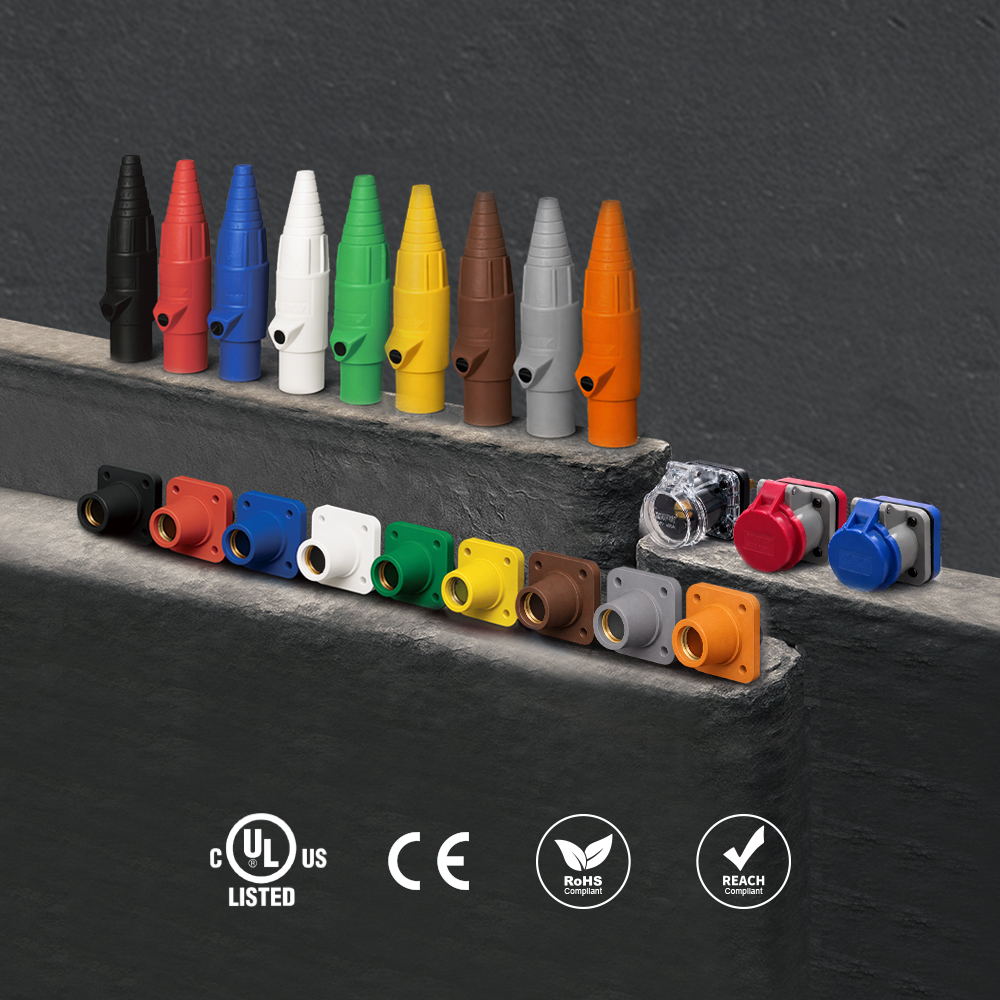 K-LOK 400A Single-Pole Cam-Type Connectors
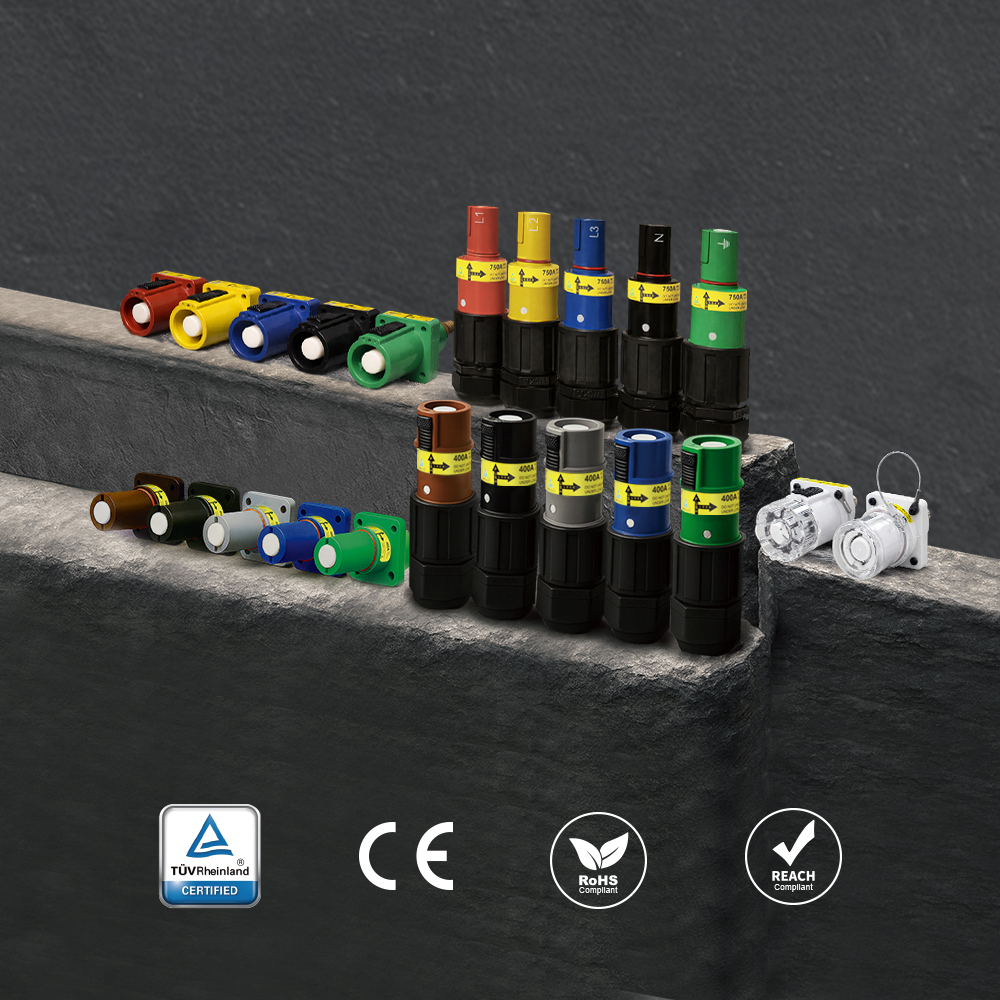 PowerFit 400A Keyed Single-Pole Connectors
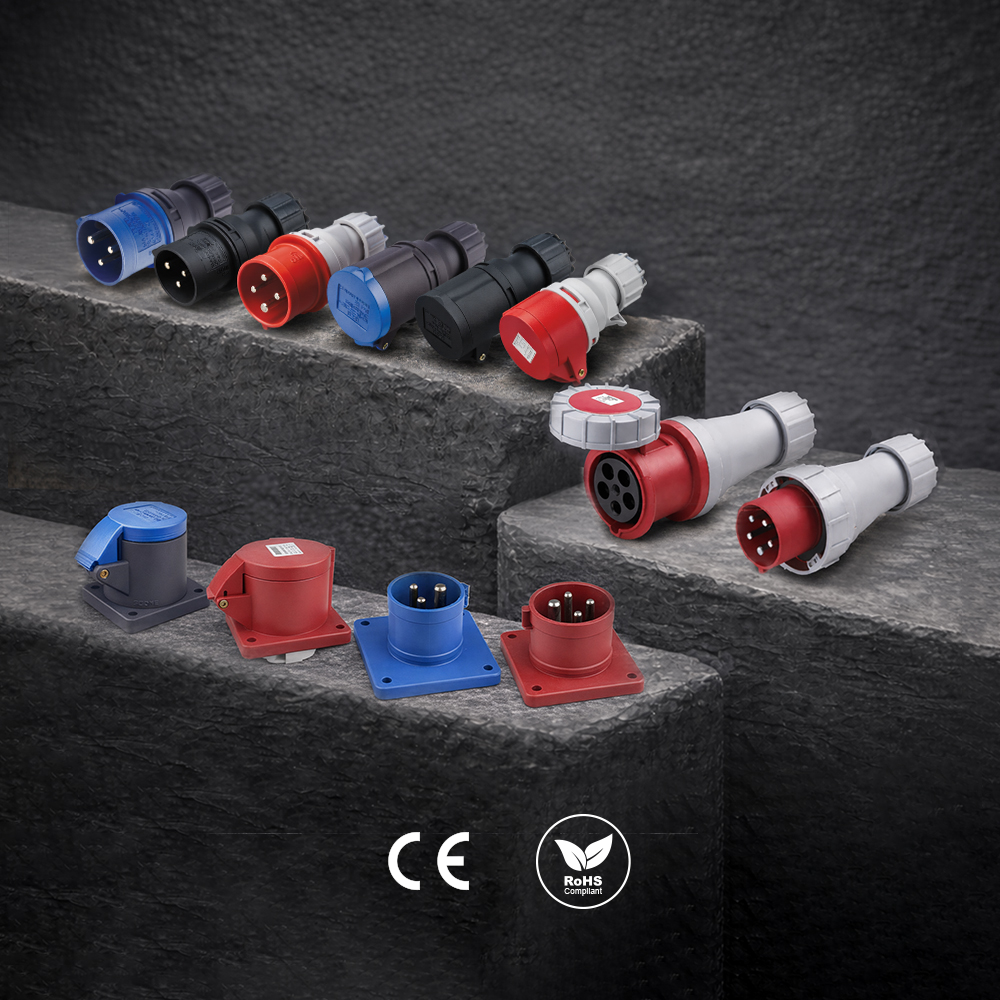 CEE Form Connectors
Have a Question?
Explore the full KUPO Power 101 FAQ Hub for answers to 30 more common questions about industrial power, or ask our team directly about your application.