
Why does connector quality and fit matter so much in high-current systems?
High-current connectors depend on low, stable contact resistance. Poor fit or weak contact quality can increase resistance, generate heat, and reduce reliability. In demanding applications, mechanical precision and contact performance are part of the electrical safety of the system. Even small deviations in connector geometry, material quality, or contact pressure can escalate failures in ways that are difficult to diagnose in the field.
Contact resistance at high current and why precision geometry matters
A connector contact is an interface between two metal surfaces. The electrical resistance across that interface depends on contact area, contact pressure, and material properties. At low currents like 16 or 20 amps, contact resistance of a few milliohms makes negligible difference. At 400 amps, the same milliohms becomes significant. Power dissipated as heat is I squared times R. If a worn or poorly mated contact pair reaches 0.005 ohms (5 milliohms), 400 squared times 0.005 ohms equals 800 watts of heat in a single connector pair. A healthy high-current contact is far lower: PowerFit lists 0.1 milliohms, which works out to 16 watts at 400 amps. This heat must conduct away through the connector body into the cable and can only dissipate so fast. If contact pressure is inadequate, surfaces are oxidized or corroded, or contact area is smaller than designed, resistance climbs and heat escalates. In minutes, the contact can reach temperatures that anneal copper, loosen terminations, and degrade the connector permanently.
A high-quality connector like the K-LOK 400A is engineered so the mating contacts meet across precisely defined geometry. In a cam-type connector, the twist-lock cam draws the two contacts together, so contact force depends on accurate dimensions on both halves. In pin-and-sleeve designs, the plug pin compresses the socket contact by a specific amount, creating contact force that keeps surfaces pressed together. If the plug is undersized, compression is reduced, contact force drops, and resistance climbs. If socket contacts are made from lower-grade material with less spring force, initial compression is weaker and degrades faster as contacts relax over repeated mating cycles. If the pin surface is not finished to specification or is rougher than designed, contact area is smaller, pressure on that area is higher, and the interface is more prone to localized heating and degradation. In touring work, these subtle differences show up as intermittent faults by day five. The crew troubleshoots by disconnecting and reconnecting, which temporarily restores contact. After days of this pattern, operators learn to wiggle the connector during mating. This field workaround signals that the connector is not meeting design specification and system reliability is at risk.
Material quality, surface finish, and long-term field reliability
The pin and socket contacts in a high-current connector must resist corrosion, oxidation, and mechanical wear. A quality connector uses materials selected to remain stable across the operating temperature range. Copper and copper alloys are standard because they offer good conductivity and well-understood mechanical properties. However, the exact alloy and plating matter: an unplated or poorly plated surface oxidizes faster under moisture and heat. Over weeks or months of storage or intermittent use, oxide films build on contact surfaces and contact resistance climbs.
Surface finish is equally critical. A properly finished pin surface has low roughness and is clean of manufacturing residue. If finished too coarsely, it presents less actual contact area and more pressure at remaining peaks, leading to faster wear. A quality connector manufacturer controls surface finish to tight specification so the contact interface is repeatable and stable across thousands of mating cycles. In broadcast trucks and rental power systems where connectors are used over years and passed between crews, contact surface degradation is a major source of intermittent faults. A connector that spent years in a touring truck may have light corrosion on the pin and relaxed socket contacts. When mated to a socket in someone else's distribution box, the combined effect of surface oxidation and loose contacts creates a high-resistance interface that works intermittently, manifesting as flickering lights, dropped equipment, or unexplained power loss.
KUPO Power's precision engineering for reliable high-current connections
KUPO Power K-LOK 400A and K-LOK 150A connectors are manufactured to tight tolerances with material and surface finish specifications designed for stable contact pressure over the connector's service life. The pin geometry is precise, socket contact spring force is controlled, and engagement design ensures repeatable compression with each mating cycle. A K-LOK connector is built for low, stable contact resistance across repeated mating cycles. PowerFit keyed single-pole connectors use silver-plated contacts with a listed contact resistance of 0.1 milliohms, and CEE Form connectors maintain precision across the IEC 60309 specification. A touring crew specifying K-LOK 400A connectors gets a connector built for repeated mating in humid or challenging field conditions. A rental power system built with KUPO connectors can be deployed year after year without the intermittent faults and troubleshooting that plague systems with marginal connector quality. For guidance on choosing high-quality connectors, explore the KUPO Power 101 FAQ Hub.
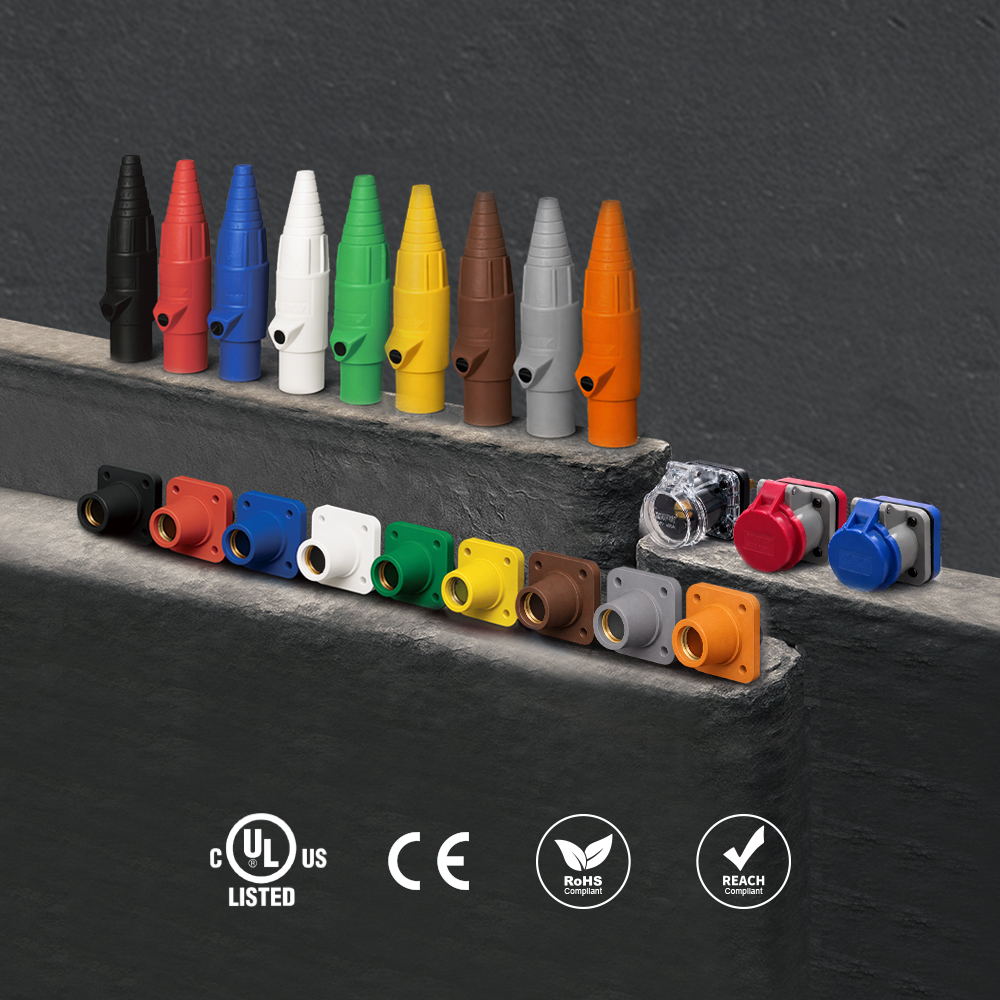 K-LOK 400A Single-Pole Cam-Type Connectors
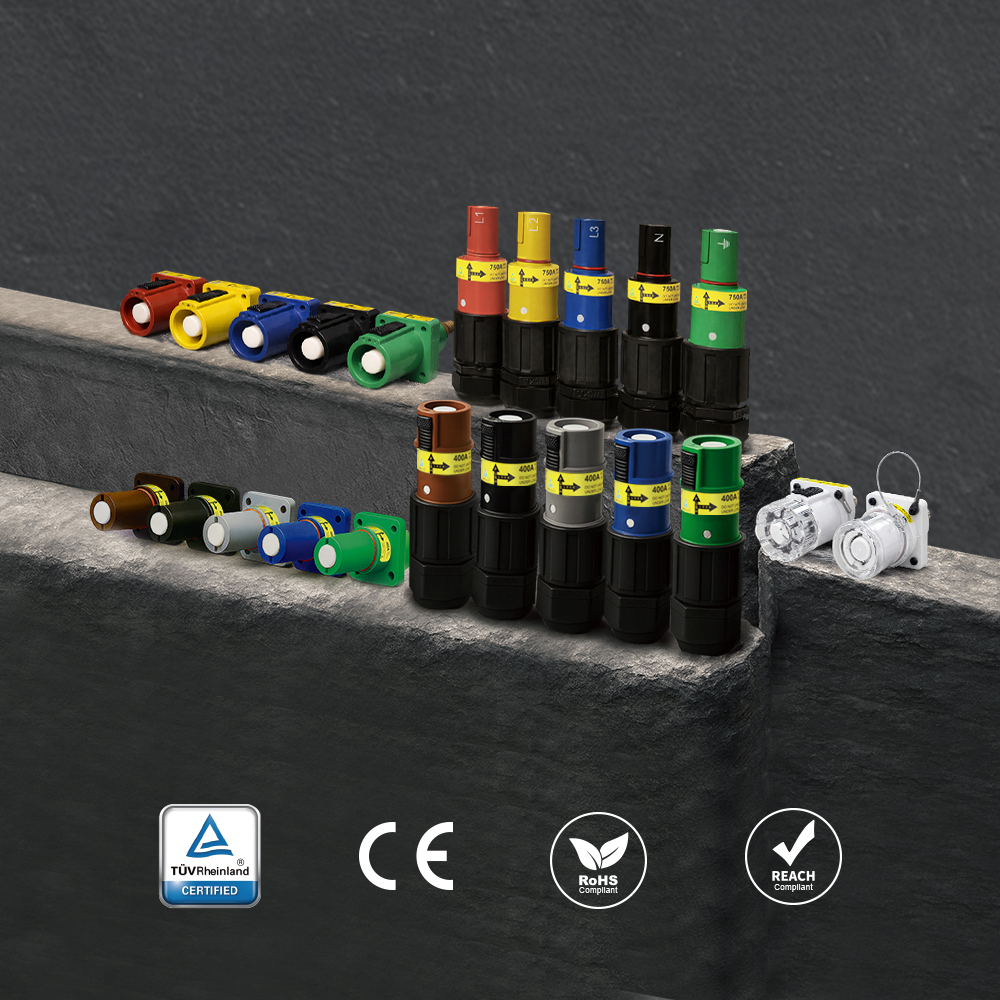 PowerFit 400A Keyed Single-Pole Connectors
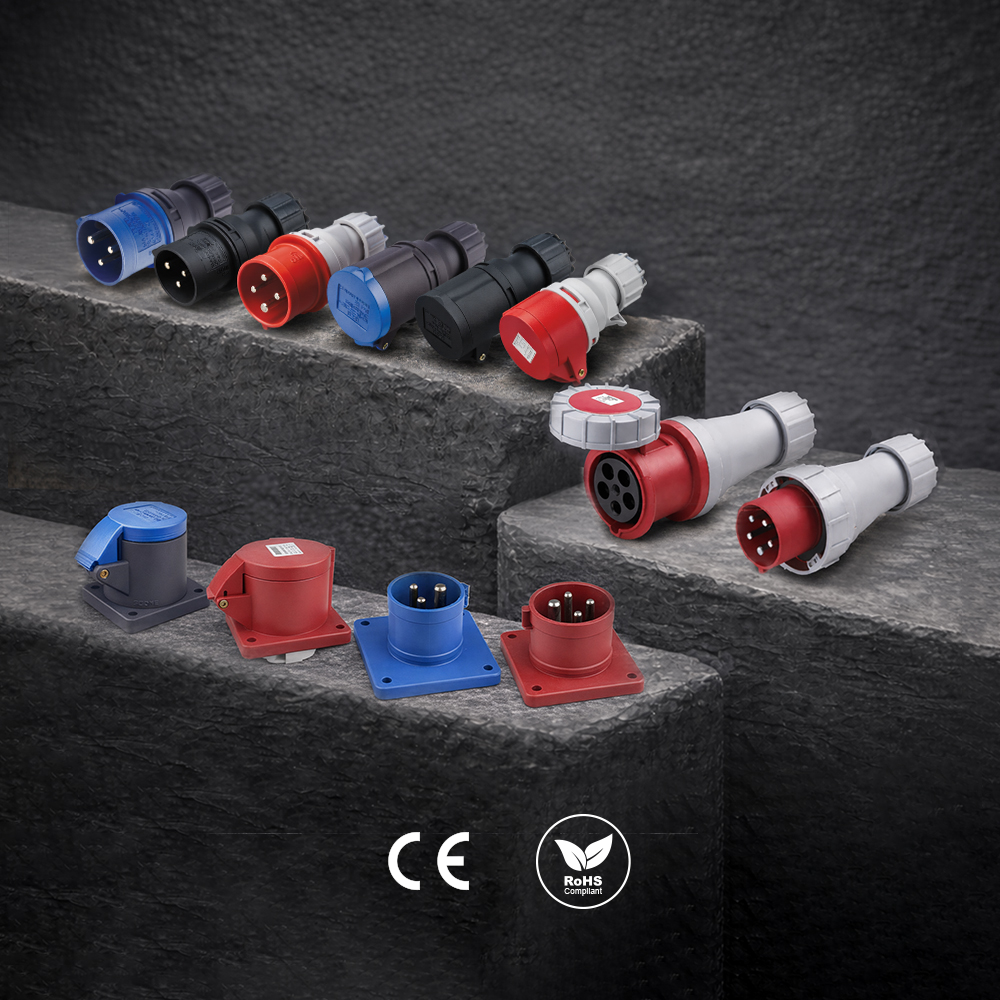 CEE Form Connectors
Have a Question?
Explore the full KUPO Power 101 FAQ Hub for answers to 30 more common questions about industrial power, or ask our team directly about your application.